


What Is branding and why is it important for your business





TLDR;
Branding is the lifeblood of any business, acting as the bridge between a company's products and its customers. It is not simply about logos and catchy slogans, but building your own personality that your target audience can identify with and develop long-term trust. Branding can have a direct impact on purchases, create customer loyalty, and boost your marketing.
This article will focus on the relevance of branding, the main elements of a brand strategy, and some real-life steps that can be implemented to create an effective brand that will make your business stand out among others.
What is branding, and why is it important?
Branding, often thought of as the flashy visuals and catchy taglines that businesses use, is much more than that. It is the character of your business, the image that the customers will refer to you. Branding is not just about the superficial but about everything, including your values and mission, as well as your experiences with customers.
But what is the significance of branding? It is very important in generating customer confidence, memorable experiences, and creating a good competitive advantage in the market. A clear brand is what can lead or break a company, regardless of your size or established business.
Branding will make you unique in a world where consumers have too many choices. It informs your audience about who you are, what you represent, and why they should pick you among the competition. However, without a sound brand strategy, the finest products and services will easily drown in the noise.
What is a brand?
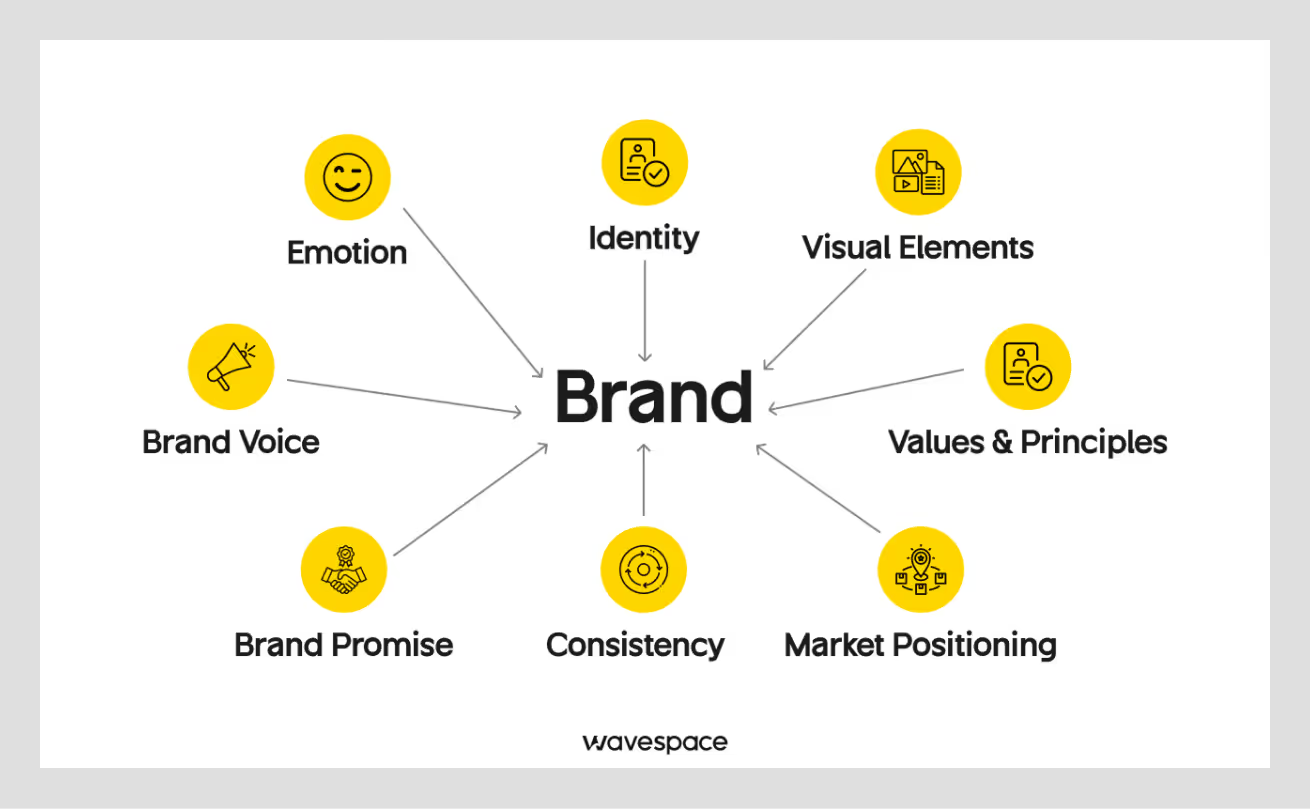
A brand is not just a logo or a name. It is the emotional bond that your business forms with its audience. It is what comes to mind when someone hears your business name, glances at your product, or sees your content. Branding hopes to establish a unique and unforgettable identity that encompasses the values, mission, and promise of your company to your customers.
Defining the essence of your brand
A brand is actually the face of your business. It is all the things that make your company special, such as how it interacts with the customer, and how people feel when they use your product or service. These are both visual (such as your logo and color palette) and non-visual (such as your brand voice, what your brand makes people feel, and what values you represent).
An effective brand tells about who you are, what you sell, and why your audience should pay attention. It captures your own beliefs, your strengths, and what you would like your consumers to experience when interacting with your business.
How a brand shapes customer perception
Branding is an important factor in how your customers see your business. Each touch with your brand on your site, social media, or customer support contributes to supporting your brand image and impresses your customers to have a better perception of your company. Such perceptions eventually determine whether customers will purchase with you or your competitors.
A good brand makes you shine in a saturated market, and it frequently determines whether a customer buys or not. When your brand means something to your audience, it is not just a logo or product, but a friend they can count on. It is that emotional bond that makes customers come back again and even become brand representatives who will help you to spread the word.
What is branding?

Branding refers to the act of developing and controlling the identity, personality, and image of your business. It is a tactical process that does not stop at designing a logo or a catchy slogan. Branding is a holistic method of marketing your company's values, mission, and promise to your audience in a manner that is both emotionally appealing and trustworthy in the long run.
The branding process explained
Branding is a strategic process that involves several steps, including:
Research and Discovery: Know your target market, competition, and market trends. This step will establish the basis of your brand positioning.
Brand Strategy Development: Establish your brand core values, mission, vision, and voice. This will help you make sure that your branding is in line with your long-term objectives and customer demands.
Visual Identity Creation: Create a logo, colors, typography, and other aspects of visual identity that describe your brand.
Brand Messaging: Work out the language to communicate your brand and make sure all the touchpoints (advertising, social media, etc) are consistent.
Brand Implementation: Implement your branding in all customer areas, Web design, packaging, customer services, and marketing communication.
The key elements of branding
The essential elements of a successful branding include:
Brand Identity: This refers to the visuals, your logo, color scheme, and font style, but also to your brand personality, friendly, professional, playful, or sophisticated.
Brand Voice: The voice that your brand speaks should remain the same on every platform. You can be writing on your websites, social media, or even answering customer questions, but your voice must be what represents the essence of your brand.
Customer Experience: Each experience with your business must show your brand and personality. The experience you offer manifests in your brand image, whether it is through a friendly design of websites or smooth customer support services.
Brand Values and Mission: Well-defined brand values and a mission statement can help you guide your business and inform the audience what you are about. This authenticity builds trust and emotional connection.
Branding vs. Marketing: key differences
Branding and marketing are similar yet different in terms of business success. Knowing how they are different will make you take advantage of each one and make a strong, consistent presence.
Branding vs. Marketing: What’s the difference?
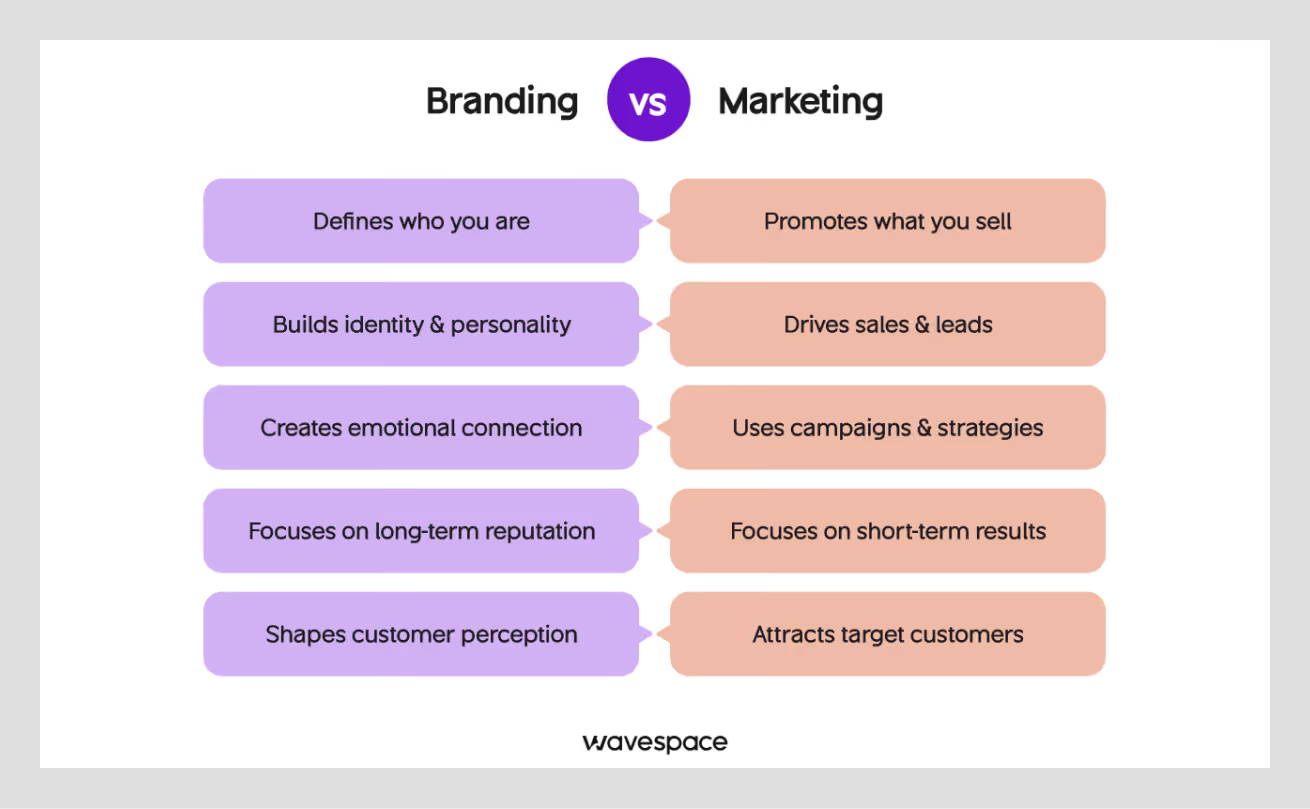
Branding is everything about what you are as a business. It is what you make yourself, how they feel about your company. Branding is a long-term strategy that helps you to generate trust, recognition, and an emotional bond with your audience. It is all about making a lasting impression.
Marketing is, however, the process of making known your name. It involves advertising, social media, promotions, and other campaigns that make your message get out to the people. Marketing is more short-term, such as a sales drive, traffic, or product introduction.
How branding helps your marketing succeed
Branding gives your marketing a certain direction. Once your brand is powerful, whatever you are doing in your marketing, whether it is one of your posts or an advertisement, will fit that identity. This will strengthen and stabilize your marketing and make people aware of your brand and what you represent.
Without branding, your marketing may appear unrelated or baffling to the customers. However, as your branding is good, your marketing messages are more specific, and this creates a better bond with your readers.
The importance of branding
Branding is not simply about making your business look good, but making people feel. It is about forming a bond that is not just product or service-related. A good brand can help to draw the right customers, retain them, and make you stand out among your competitors. But why is branding important? Is it possible to see how it can help your business?
Influencing consumer decisions
Brand perception is frequently a determining factor when customers are deciding between products or services, rather than price or features. A familiar brand may make an individual more certain about their decisions since they believe that brand to provide quality. Branding also enables customers to make quicker decisions because of familiarity and reliability.
Taking a customer buying shoes as an example. They may buy a brand they recognize, such as Nike, instead of a brand they are not familiar with because they believe in Nike's reputation and are sure they get what they pay for.
Building a unique identity for your business
A good brand builds an identity that makes your business unique. It will provide you with an opportunity to stand out among the pack by making customers aware of who you are and what you represent. Unless your branding is good, you run the risk of being lost in the crowd, where customers cannot notice or remember your business.
Once you create a distinct identity, you can establish your niche in the market by providing something exclusive that your rivals can hardly copy. Brand is a mirror of the company's values, mission, and personality.
Helping customers remember your business
People can remember a recognizable brand. The more your brand is known, the greater the chances that customers will prefer you next time. Consider how effortlessly you identify such large brands as Coca-Cola or Apple. They have built their brand name so deeply and reliably that whenever you see their logo or hear their name, you automatically think of them.
Recall is also enhanced with strong branding. Customers will think of your business when they are willing to repurchase or want to refer to a product. Customers will be loyal as long as they know your brand, as they will find it more comfortable to go back there.
Boosting advertising and marketing efforts
An established brand will enhance effective marketing campaigns. Once your brand is clear, your advertising works are more precise, and it will be closer to your target audience. Branding will also enable you to concentrate on telling your story, making emotional connections, and establishing a relationship with your audience instead of making an attempt to explain your business every now and then.
As an example, when your brand is all about environmentally friendly items, your marketing messages can reflect that and appeal to customers who are concerned with sustainability. Branding regularly will mean that even your social media posts and email campaigns help to back the main message of your business.

Building employee support and engagement
Branding is not only for the customers, but it is also crucial in attracting your employees. Once your team sees the vision and values of your brand, they will feel more motivated and dedicated to making you successful. A good brand will provide you with a reason to have employees rally behind you, and that is more likely to make them tell your brand story passionately and proudly.
It is important to have employee support as it helps in establishing a good company culture. Whenever your employees are united with your brand mission, it results in greater productivity, improved customer services and an improved business in general.
What is a brand strategy?
A brand strategy is a long-term strategy of developing a successful brand that appeals to your audience and meets your business objectives. It outlines your company values, vision, and message, and enables you to engage customers at a more personal level.
Brand strategy overview
Brand strategy helps you make decisions about your business and make sure that each action is in line with your long-term objectives. It establishes the basis of your brand communication, appearance, and sensation to your clients, and it is a key to business development.
Why you need a brand strategy
A lack of strategy can cause your brand to lose its course, and it is difficult to make a name in the market. The brand strategy will guarantee the consistency of the whole touchpoints, customer trust, and eventual long-term success.

Brand strategy guidelines 2026
A brand strategy is a roadmap to your business. It assists you in making decisions about who you are, what you represent, and how you would like to be perceived by your customers. When you know your brand strategy, you can find it easier to reach your audience and develop your business. This is how you can establish a solid brand strategy for your small business.
Building a brand foundation
It begins with a question: What do I mean by my business?
Your business, mission, values, and vision are some of the things that make up your brand foundation. Consider what is unique to your business. Do you love to serve customers well?
Do you specialize in delivering low-cost, quality products? Your responses will determine all your actions, such as the name of your business, the way you speak to your clients, etc.
This base will provide you with something to rebrand as your business expands to enable you remain consistent in how you convey to your audience.
Implementing your brand strategy
When you have your brand base, it is time to spread it to the world! Your brand must be visible in every point of contact with the customers, be it your website, social media, or even packaging. Ensure that your messaging is consistent, meaning that the colors, logo, and tone of voice of the message should be the same on all platforms.
As an example, when your brand mission is to be fun and friendly, be sure that social media reflects the same light. In case you want to be professional and trustworthy, your emails and website should also be in that style.
Once your customer recognizes the same brand in all your touchpoints, they will feel more confident in your business and are more likely to make purchases.
How to create a strong brand

Branding your small business is like establishing the base of a house. You must describe what your business is about, and everything else is based on that. This is a step-by-step tutorial on how to make a brand that people will remember and identify with.
Crafting your brand story
Your brand story is the story that explains the existence of your business and how it is going to solve a problem or satisfy a need. Why did you begin your business, and what motivated you? Did you identify an existing gap in the market or a better solution?
By telling your story, you make your brand more approachable, and you allow people to feel with you on a personal level.
As an example, when you open a bakery because you wanted to share your grandmother's recipes with the world, your brand story can be about family traditions and quality ingredients. This makes customers feel that they are not purchasing a business, but a story they believe in.
Identifying your target audience
When you want to develop a good brand, you must have an idea of who you are addressing. You should know your target audience, as it will guide your branding choice. Who are your most likely customers? Are they young workers looking for convenience, or do they want quality and value?
When you understand your audience, you can then customize your message and images towards them. As an example, when you are aiming at young, environmentally conscious shoppers, you can base your branding on the idea of sustainability and environmentally friendly packaging.
Creating a mission statement
A mission statement is your business statement that tells what you are and what you want to do. It also keeps you focused on what you want to achieve and also makes your values known to your audience. A mission statement must be brief and specific, explaining to everyone what you are, who you are targeting, and why you are doing it.
As an example, when you are in the business of serving affordable, healthy food choices, you may have the following mission statement: To ensure you bring healthy eating countrywide, without sacrificing the quality or taste. This shows your audience what actually matters to you, and why your brand should attract them.
Defining your brand’s values and benefits
Your brand values are the values that guide you in business. What do you stand for? What is most important to you? Establishing the values of your brand makes your business more real and more likely to attract customers who possess the same values. This may influence your sourcing of products, your packaging, and more, should your business consider sustainability.
You should also establish the special advantages your business has. Why is your product or service better than what already exists? These advantages need to be conveyed directly through your branding so that customers understand why they must pick you.
Designing visual assets
The visual identity of your brand consists of your logo, colors, fonts, and design. These are the components that make the initial impression of your business and matter a lot in the way people view you. Ensure that your images match your brand values and that they appeal to the target audience.
When you are a luxury, high-end brand, you may have fancy fonts and a simple design in the visuals. When you are a fun and friendly brand, your colors and logo can be light and fun. Your brand story will be supported by visual assets, as well as your desired experience.
Finding your brand voice
Brand voice is the tone and style of speech when communicating with people. Do you speak informally or formally? Your brand voice must suit the personality of your business and attract its target audience.
As an example, when your business is a tech startup, where young professionals are your audience, you may be using a modern and innovative voice. When the law firm is your voice, it could be much more formal and commanding. A steady brand voice is a way to gain credibility and make your communication effective and understandable.

Implementing your branding in all touchpoints
After you have your brand, it is time to actually make it happen. This involves applying your brand resources and voice to every touchpoint with your customer: your site, social media, packaging, emails, and customer services. The element of consistency is also important in gaining recognition and trust.
Whether online or offline, when your customers touch your brand, they must always experience it that way. This uniformity assists in making a strong brand memorable that the customer is assured and comfortable with.
Real-life brand examples (lessons from leading brands)
Real-life examples may be used to show the effectiveness of branding in the real world. Small businesses can learn from looking at well-established brands that have managed to develop strong identities. These brands show how a visionary outlook, a cohesive message, and genuine relationships with consumers can produce growth and devotion.
Airbnb’s branding strategy
The Airbnb branding is based on the principle of making people feel at home regardless of their location in the world. The brand is based on the principles of trust and belonging; the company presents itself as a community-based traveler and host service.
The idea of Airbnb, that anyone can belong anywhere, was highly relatable to the consumer in a world where personalization and experience were becoming more significant than ever. The branding of the company is based on the genuine experiences and not a mere location of stay.
The visual branding of Airbnb, including its straightforward and sleek logo design, the easy-to-navigate nature of its site and mobile application, helps to cement the trust and community element of its mission.
Apple’s brand success

The branding strategy of Apple is to provide a high-end customer experience. This firm has established its brand based on innovation, simplicity, and quality that is evident in its products, its marketing, and customer service.
Apple has a minimalist and smooth visual identity, and its design and usability are streamlined. The brand will assure customers that they will have the best technology with ease.
Its advertisement campaigns concentrate on lifestyle, and its products fit well in life, so the user can not do without Apple products. The company has achieved a cult-like following due to its stable messaging and the emotional attachment to customers.
The most important branding terms to know
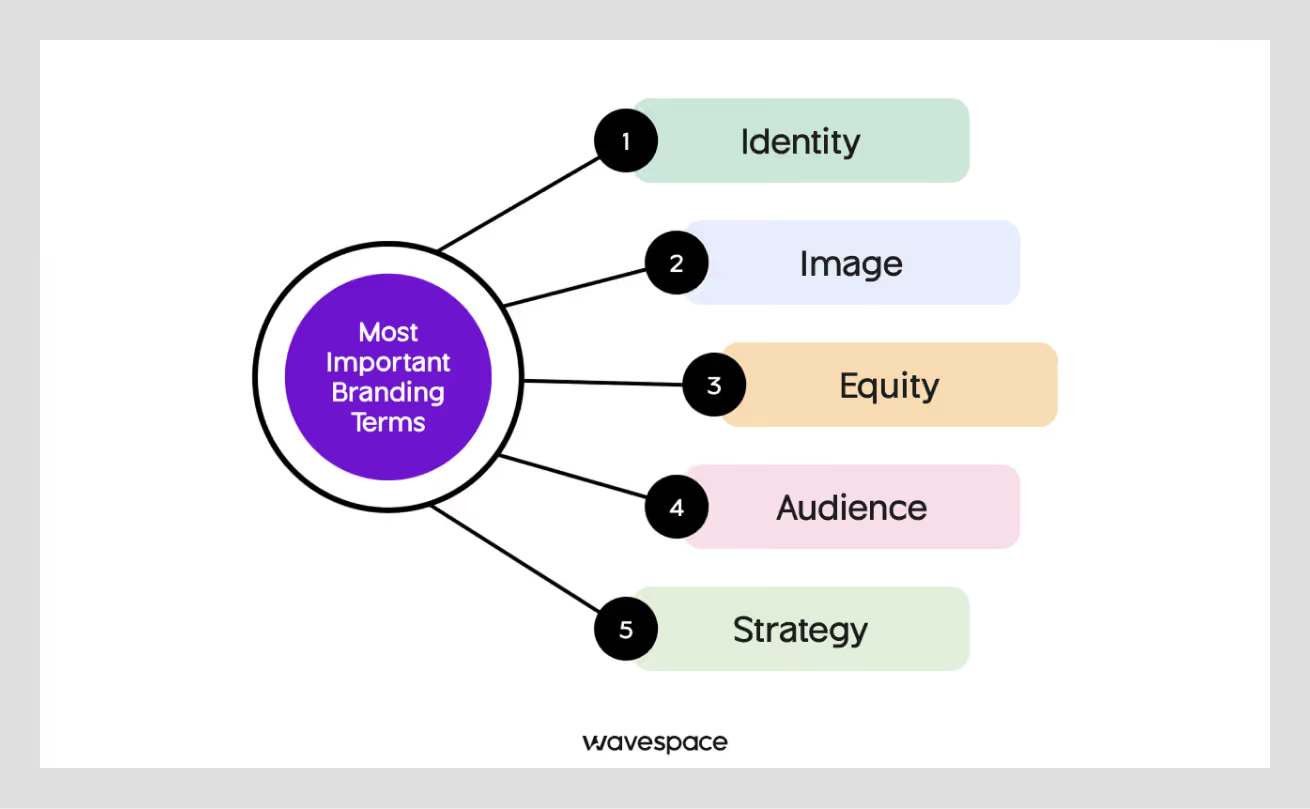
When you are creating a brand, you need to know the terminology that defines branding tactics. Such terms will guide you to identify your brand, gauge its success, and interact well with your audience. The following are the main branding terms that a small business owner must be aware of.
Brand Awareness
Brand awareness is the ease with which your customers can identify or remember your brand. Brand awareness is high, so that consumers are aware of your brand and that they can recognize it easily in a busy market. One of the initial steps in creating a good brand presence is building brand awareness.
- Example: Coca-Cola is one such brand with high awareness; its logo and product are known all over the world.
Brand extension
Brand extension refers to the method of promoting new products or services under a known brand name. It uses the existing brand image to access new markets and gain consumer confidence in new products.
- Example: Apple started as a computer company but has diversified into other products such as phones, tablets, and watches.
Brand identity
Your business is identified as your brand. It also comprises the visual element, which is your logo, colors, typography, and overall design of your business. Your brand identity must have the personality of the company and appeal to your target audience.
- Examples: Nike has a swoosh logo and a slogan, Just Do It, that everyone knows and is the symbol of the brand's inspiration and power.
Brand management
Brand management refers to the act of managing every facet of your brand, such as brand development strategy, marketing strategy, and communication strategy. It brings uniformity in the way your brand is introduced to the people and creates long-lasting value.
- Example: Coca-Cola has branded itself over decades with its color scheme, logo, and messaging, and it stands as an outstanding example of brand management, due to which it remains one of the leading global brands.
Brand recognition
Brand recognition is the ability of consumers to identify your brand based on visual or verbal cues, such as your logo, color scheme, or tagline. Strong brand recognition leads to customer confidence and increased sales.
- Example: The golden arches of McDonald’s are instantly recognized worldwide, even without the name.
Brand trust
Brand trust refers to the trust that consumers give your brand to fulfill its promises. Trusted brands will encourage customer loyalty and have a higher chance of success over time.
- Example: Amazon has earned brand trust through consistent delivery of quality, fast service, and customer support.
Brand valuation
Brand valuation is the financial worth of a brand in terms of revenue generation and customer retention. High brand valuation means that there is good brand equity and market presence.
- Example: Apple, a top-valued brand in the world, has a brand worth above 200 billion, which makes it a market leader.
5 branding tips for small businesses
When creating a strong brand for your small business, it is important to make a mark that generates loyal customers. Branding will allow you to gain trust, stand out among the others, and express yourself. Here are five practical branding tips to ensure your small business succeeds.
Treat your brand like a person
This is one of the simplest methods of making your brand more relatable by using it as a person. Consider that your brand possesses a character - professional, friendly, quirky, or adventurous? Developing the personality of your brand will make you emotionally reach your audience.
As an example, Innocent Drinks has a fun, cheeky character, which is evident in the light-hearted way they post about themselves on social media and the packaging of their products. This strategy will help them stand out in the saturated market and feel more friendly to their clients.
A brand voice helps you make your brand more human and build better relationships with your audience.
Prioritize consistency
A good, memorable brand is built through consistency. The visuals of your brand, messaging, and customer experience must all coordinate across all touchpoints, including your site, social media, and customer service.
Take Coca-Cola, for example. The color scheme (red and white) and traditional logo have not changed over the decades, which makes the brand immediately recognizable in any place on the planet. Such consistency makes customers recognize the brand easily and creates trust over time.
Ensure that your messages remain the same as well. You should use the same brand personality and values whether you are writing a post on Instagram or writing an email.
Build and follow a brand strategy
A brand strategy is the roadmap for your brand’s development. It helps guide everything from your mission to how you engage with customers. Without a clear strategy, your branding efforts can become inconsistent, making it harder for customers to connect with you.
Start by clearly defining your brand’s values, mission, and vision. Once these are established, create a plan for how to communicate them across all channels.
Patagonia is an excellent example of a company that stays true to its brand strategy by focusing on sustainability, which aligns with its customer base and strengthens its brand loyalty.
Stay unique, avoid imitation
In a competitive market, it is easy to follow what others are doing, and in the process, copying other brands may cause you to lose your identity. Rather, concentrate on what makes your business special and show those attributes in your branding.
As an example, Warby Parker, a top eyewear brand, has shaken the industry by providing quality glasses at low prices. Their direct-to-consumer model and their socially responsible business practices made them unique among other eyewear brands.
Acknowledge your own strengths and do not fear to point out what your business is. One of the values in branding is authenticity.
Use branding to hire the right talent
Branding is not only about getting customers, but also getting the right talent. An effective, well-defined brand can help turn your company into a better place to work. When your brand makes your values clear, then employees will feel more involved in your mission and will desire to become a part of your company.
For example, Google has successfully built a brand that’s attractive to top talent by highlighting its innovative culture and commitment to employee well-being. Your employees become more motivated to play a part in your success as they identify with your brand values.
Make your brand a weapon to create a good company culture and recruit people who will buy into your vision.

Faqs about what branding is and its importance

Branding is essential for building trust, standing out in a competitive market, and creating an emotional connection with your customers. A strong brand helps you attract and retain loyal customers, boost recognition, and drive long-term success.
To create a brand strategy, start by defining your business’s mission, values, and target audience. Then, establish a unique brand identity, including your logo, colors, and tone of voice. Ensure consistency across all platforms and communication channels to build trust and recognition.
The key elements of branding include your brand identity (visuals like logos and colors), brand messaging (how you communicate your values), and the customer experience (how people feel when interacting with your business). Consistency across these elements helps build a strong brand presence.
Effective branding builds trust and emotional connections with customers. When people relate to your brand and feel that it represents their values, they are more likely to stay loyal, return for repeat purchases, and recommend your business to others.
Branding focuses on creating a unique identity and emotional connection with your audience, while marketing is about promoting your products and services to drive short-term sales. Branding is long-term and lays the foundation, while marketing leverages that foundation to reach customers.
Small businesses can use branding to differentiate themselves from competitors, build trust with customers, and create a loyal following. A strong brand helps small businesses stand out, increasing recognition and driving sales growth.

More related blog



Have a Project? Let’s talk!







.png)




















.png)
.png)
.png)
.png)

.png)


