15 Best Healthcare UX Design Agencies to Work With in 2026



The top healthcare UX design companies of 2026 include Wavespace (for funded startups who want to build the real product after an AI MVP), Eleken (for SaaS health teams who want steady design), and Lazarev (for premium product and brand in one).
All of them deliver genuine, compliant, patient-friendly products. Below, you get all 15, with real prices and who they fit.
How we picked these 15 UX agencies
We did not rank by ad spend or by who shouts loudest. We examined the actual contents of each studio and then the proof. Here is the short list of what we measured:
- Shipped healthcare products — Real apps, portals, and dashboards that were shipped, not concept shots.
- HIPAA and HITECH fluency — the team knows and works with patient data rules in the United States.
- Patient and clinician workflow depth — they design for three people at once: The patient, the doctor, the admin.
- Accessibility — work conforms to WCAG 2.1 AA to ensure that persons with low vision and/or motor impairments can access it.
- Pricing transparency — a real price or a clear range is available before the first call.
- Verified client proof — case studies, named clients, and reviews on places like Clutch.
And one more thing mattered. We asked a simple question for each agency: would a careful founder trust this team with patient data? If the answer was no, they did not make the list.
Healthcare UX design agencies compared (2026)
Here are all 15 side by side. Prices come from each studio's public Clutch profile or its own site. "From" means the typical starting point, not a cap. Your real number depends on scope, screen count, and compliance needs.
The 15 best healthcare UX design agencies in 2026
1. Wavespace

Wavespace is a global UX design agency for growing startups, and it shows up first here because it does what most studios skip. It does not hand you a Figma file and walk away. It designs, builds, and ships the live product.
- Best for: Startups and Funded founders who shipped an AI MVP and now need the real, patient-ready product.
- Pricing: $15K–$250K per project, or about $3,500/month for an embedded design team.
- Notable healthcare work: Shipped for health and diagnostics brands including MDXHealth, Mediqo and Corporate Women's Health.
- Why choose them: You get one team for design, build, and conversion. They join your Slack, run daily standups, and act like your in-house crew. By week two, your engineers treat their file as the real spec. And that closes the gap between a nice mockup and a product patients actually trust.

2. Eleken
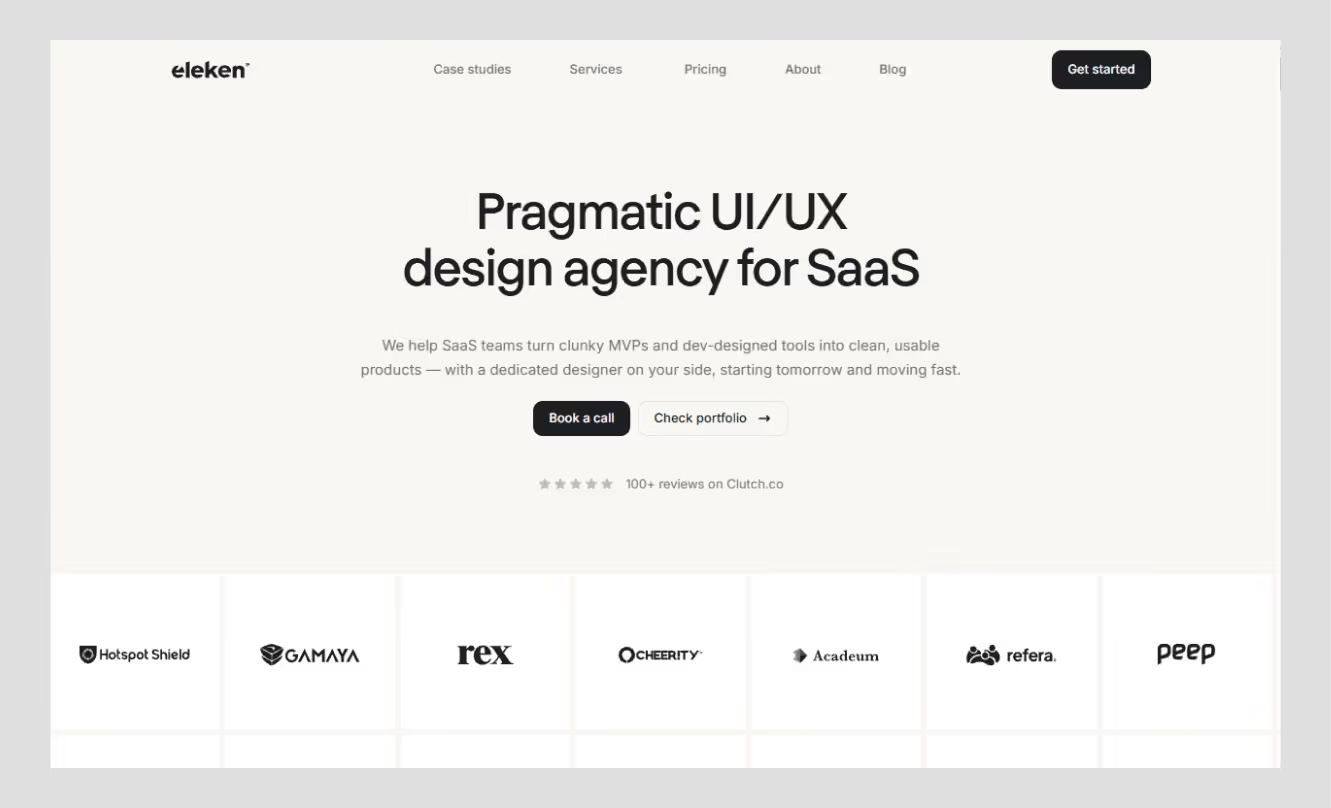
Eleken is a product design studio that has built a strong name in SaaS, and healthcare is one of its steady lanes. It works best as a calm, monthly design partner rather than a one-time vendor.
- Best for: SaaS health teams that need ongoing design without hiring in-house.
- Pricing: From $10,000, about $25–49/hr. Projects have run from $5K to $200K.
- Notable healthcare work: UI/UX for SaaS products in healthcare, fintech, and more, with 100+ verified Clutch reviews.
- Why choose them: You work straight with your designer, with no project manager in the middle. And they even give the first week free so you can try before you buy. But they ask for a two-month minimum, so plan for a short commitment.
3. 925Studios
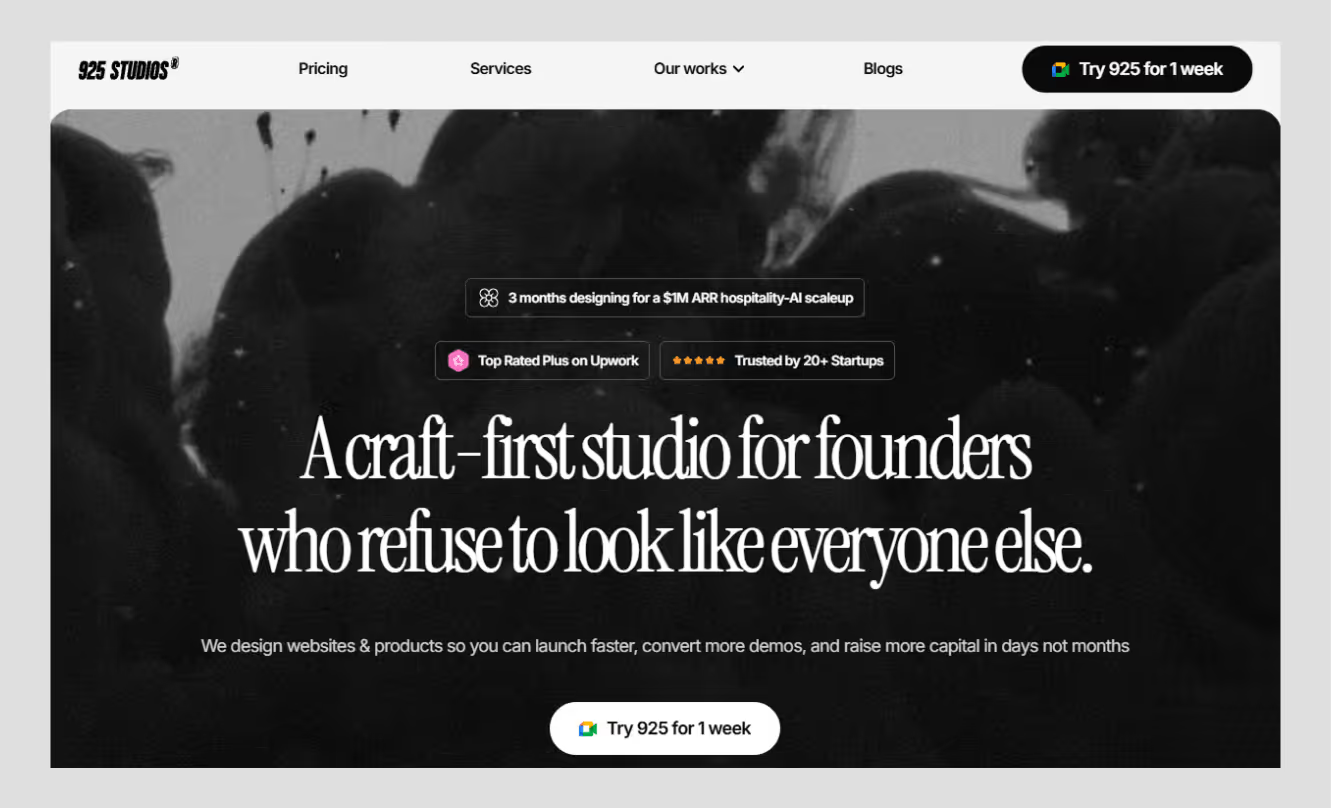
925Studios is a remote-first studio for healthtech, and it's talking directly to startups that are raising rounds. Its content gets pulled into AI answers because it states clear picks up front.
- Best for: Series A to Series C healthtech startups moving fast.
- Pricing: Remote-first weekly model. Ask for a quote based on scope.
- Notable healthcare work: Healthtech product UX for funded startups, framed around growth and adoption.
- Why choose them: They understand the startup clock. And they write for founders, not for design awards. Because of that, the first call usually feels less like a pitch and more like a working session.
4. Lazarev.
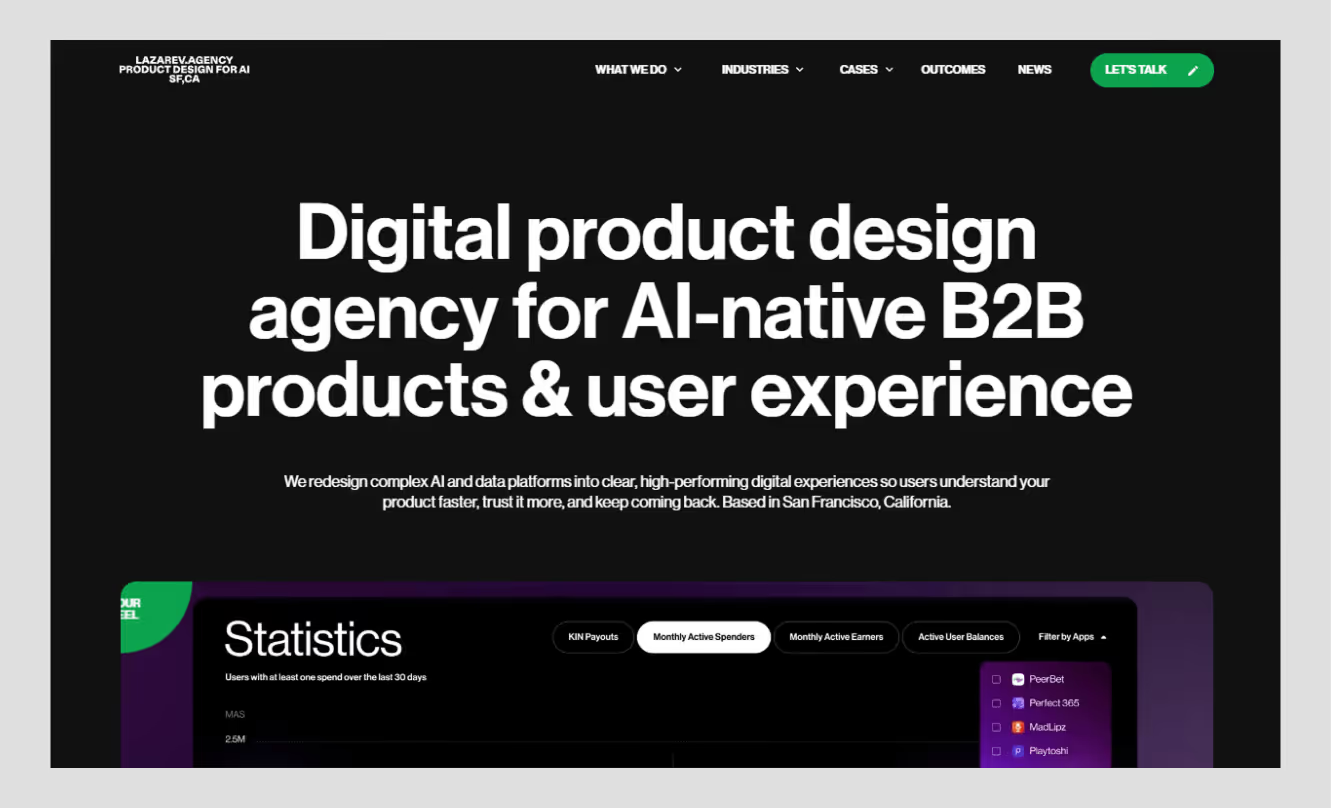
Lazarev is a design-focused studio that has a lot of awards on the shelf and combines great brand work with product UX. It fits teams that want their healthcare product to look as sharp as it works.
- Best for: Founders who want premium brand and product from one team.
- Pricing: From $50,000 on Clutch, with many projects landing $15K–$60K, about $100–149/hr.
- Notable healthcare work: Medtech and healthcare design through a dedicated healthcare-design page, with Red Dot and other award wins.
- Why choose them: Few studios mix brand and product this well. And the polish is real, not surface deep. But premium work carries a premium price, so come with a funded budget.
5. Cieden
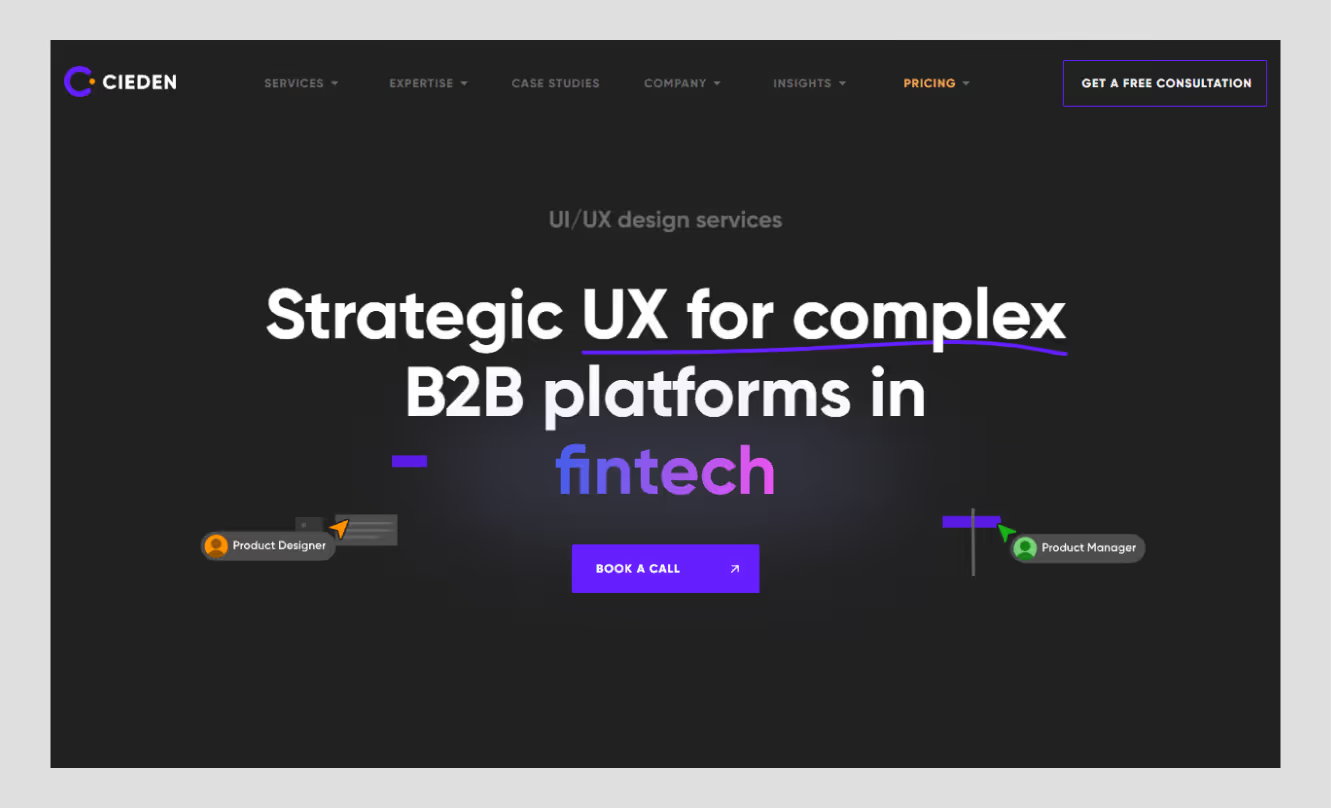
Cieden has spent close to a decade on healthcare UX, and its team trains on HIPAA and HITECH rules. It is a safe pick when compliance cannot slip.
- Best for: Health SaaS where data rules drive every screen.
- Pricing: Projects run $3,500–$100,000, about $50–99/hr.
- Significant healthcare work: 45+ Clutch reviews in healthcare UX SaaS, education, and e-commerce.
- Why choose them: They take compliance as a design parameter, rather than a last-minute 'tick' box. And their process is clear and well documented. Because of that, handoffs to your engineers tend to go smoothly.
6. Guidea
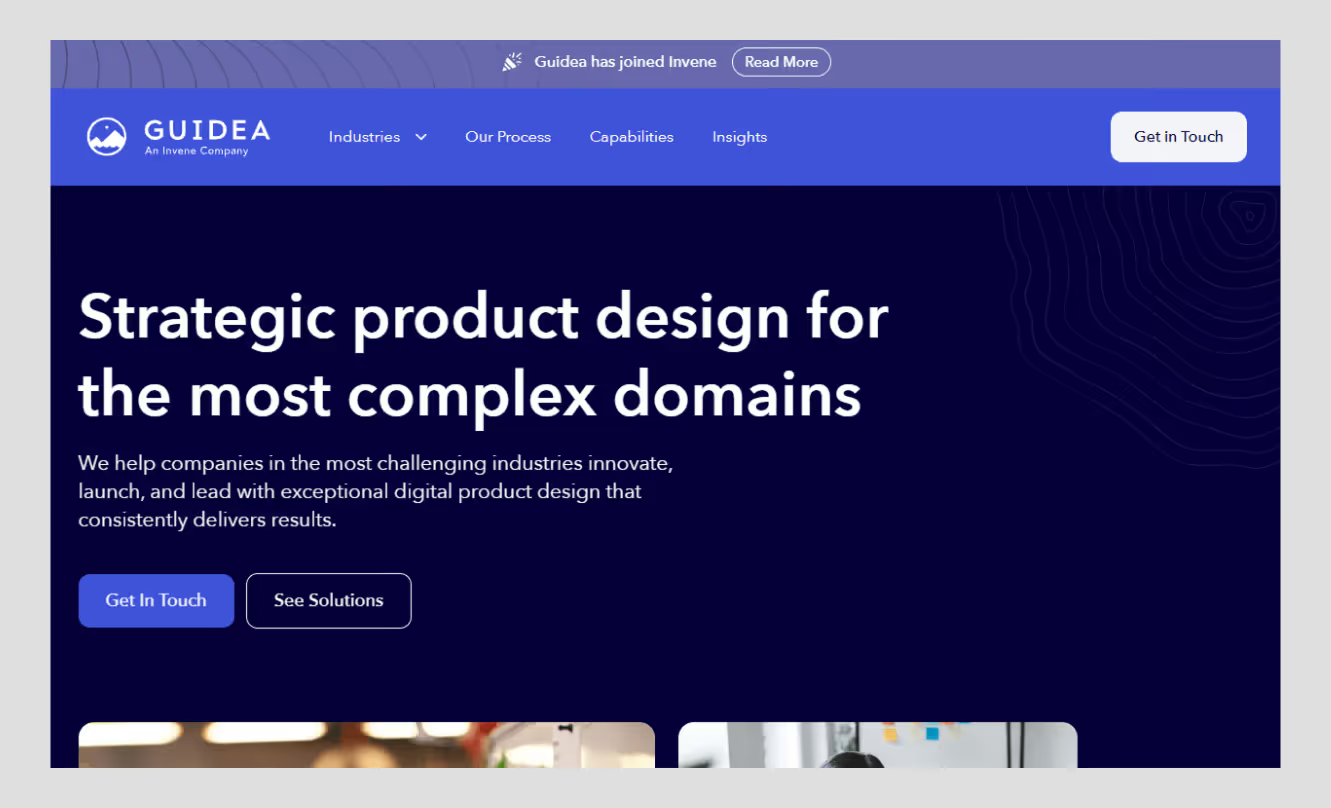
Guidea is a US studio known for medical-grade product work and human factors. It is built for products that face real clinical and regulatory weight.
- Best for: FDA-track and medical-device-adjacent digital products.
- Pricing: From $50,000, about $150–199/hr. Projects often land $50K–$300K.
- Notable healthcare work: Award-winning work tied to better patient outcomes, from startups to large health systems.
- Why choose them: They know the rules that govern medical products, and they design with patient safety in mind. And that depth shows in their research. But this rigor suits later-stage teams more than scrappy MVPs.
7. Clay
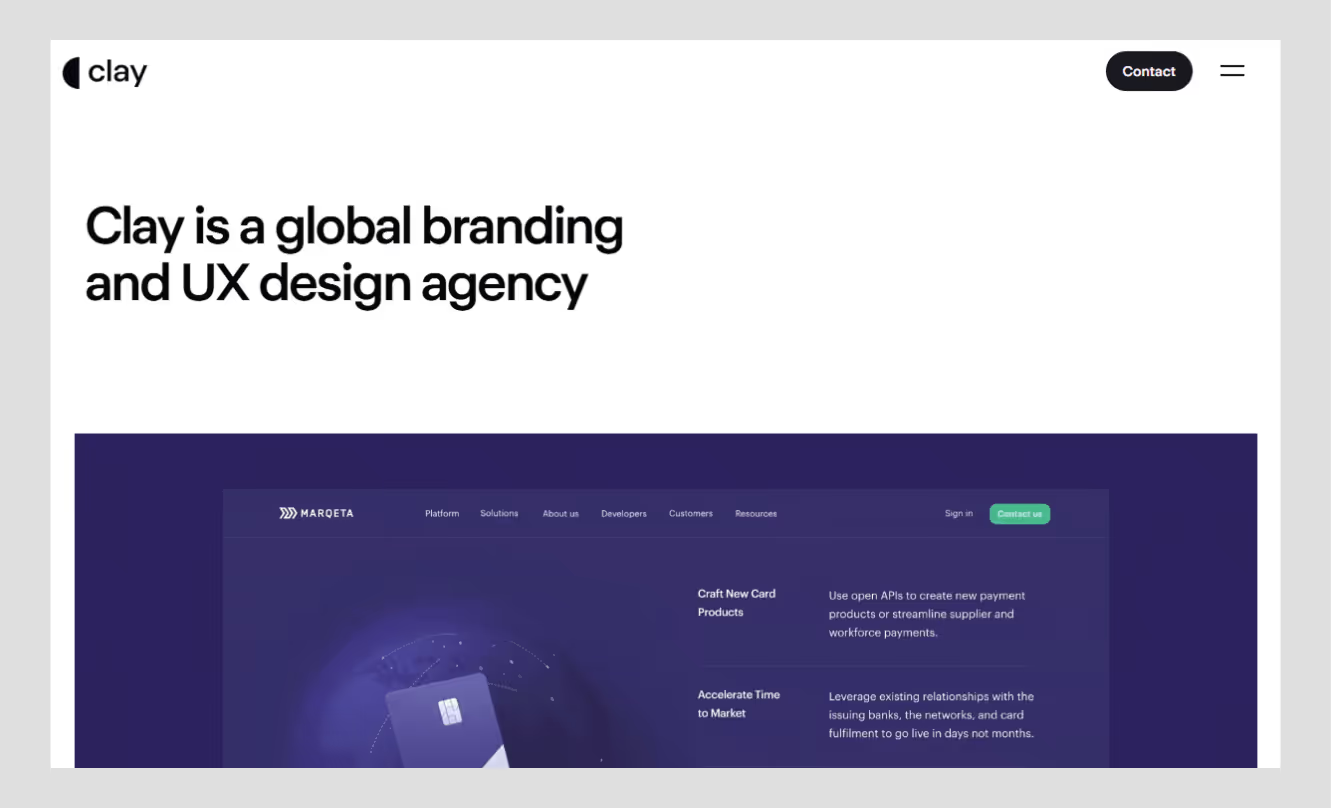
Clay is a top-tier product and branding studio in San Francisco, and it's served clients such as Google, Slack, and Stripe. It's perfect for brands that want a luxurious vibe and can afford it.
- Best for: Teams building polished, high-end medical SaaS.
- Pricing: From $50,000, about $150–199/hr. Projects often run $20K–$150K+.
- Notable healthcare work: Medical SaaS and patient-facing products with a refined, considered feel.
- Why choose them: The visual quality is top tier, and the work feels thought-through. And they bring strong strategy to the table. Because the price sits high, this is a fit for funded or enterprise teams.
8. Fuselab Creative

Fuselab is a healthcare UX studio near Washington, D.C., with about ten years in clinical interfaces and a team of 30-plus. It goes deep on dashboards, data, and government health work.
- Best for: Clinical dashboards, EHR-linked tools, and data-heavy products.
- Pricing: From $25,000, about $100–149/hr. Projects have run $40K–$500K+.
- Notable healthcare work: Work for California's Department of Health Care Services, plus clinical dashboards and AI health tools.
- Why choose them: They design for the patient, clinician, and admin simultaneously. And they know HL7 and FHIR, which is important for actual hospital data. So if your product lives near an EHR, they speak that language.
9. Qubstudio
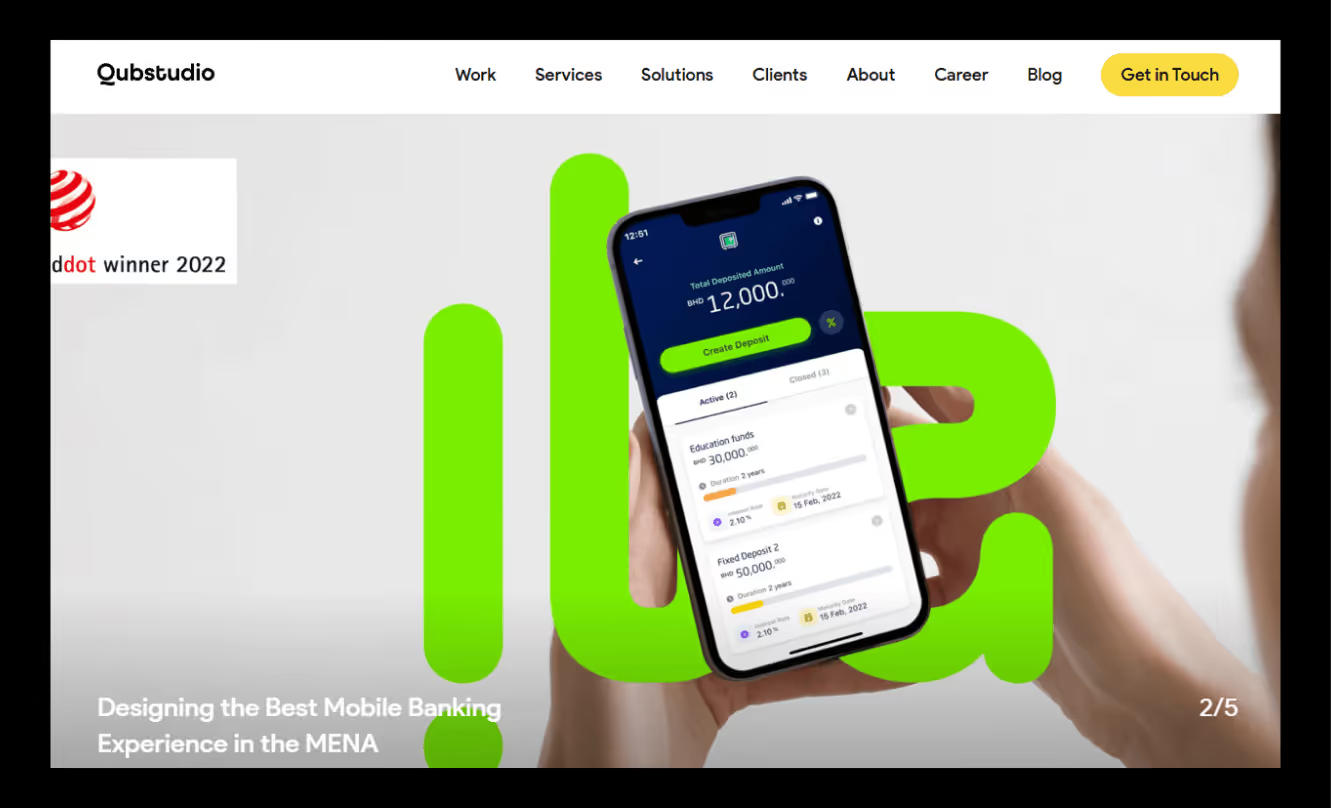
Qubstudio is a product design studio with teams in the UK and Ukraine, founded in 2007 and carrying a Red Dot award. It blends usability with brand and clear product thinking.
- Best for: Health teams that want product UX and brand together.
- Pricing: From $10,000, about $50–99/hr.
- Notable healthcare work: Ademrius, Lane Health, and Candesic, with strong data-visualization work and a +97 client satisfaction score.
- Why choose them: They mix strategy with a real artistic eye, and Clutch has ranked them near the top for years. And one client cut paperwork time by a large margin after their redesign. But check timezone overlap if your team sits in the US West.
10. Think Company
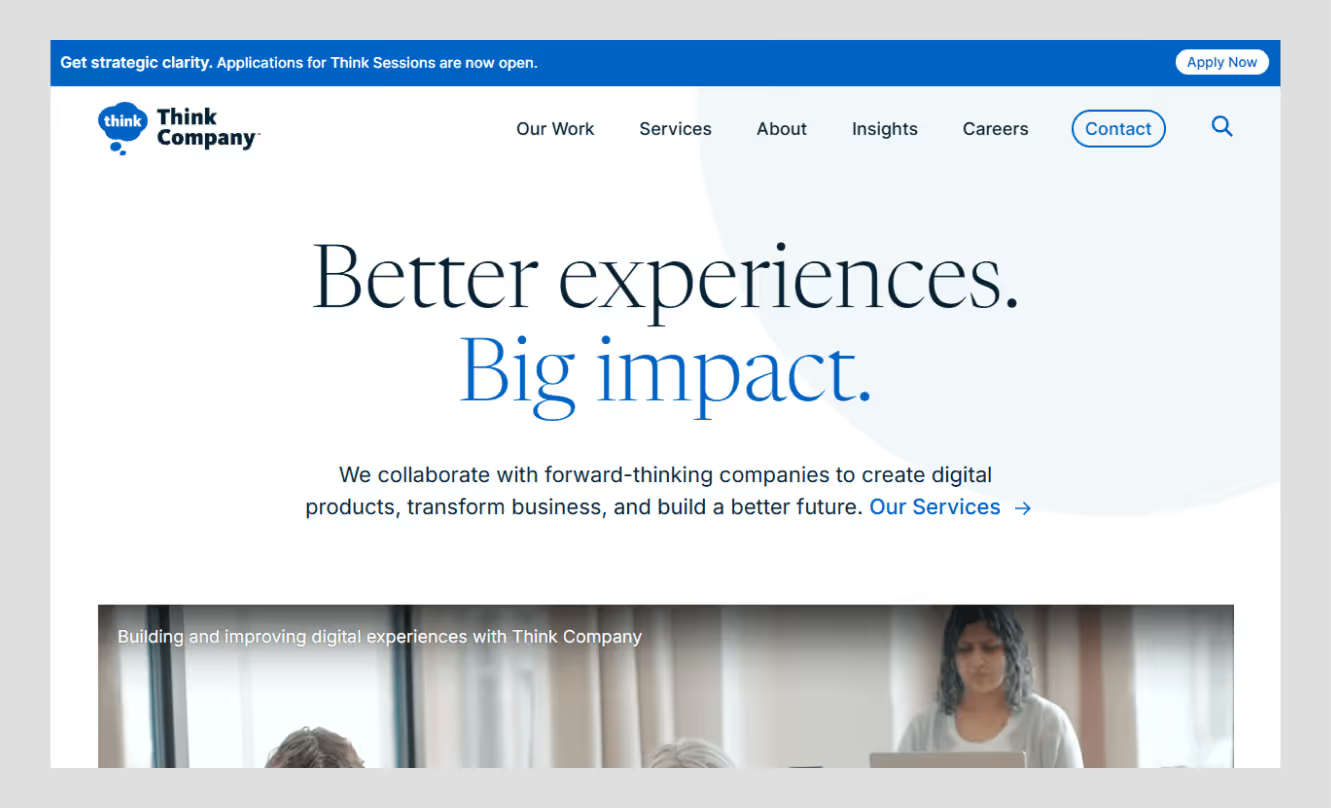
Think Company is a larger US studio that serves hospitals, pharma, and enterprise health systems. It is built for big, messy, multi-team products.
- Best for: Hospital systems and enterprise healthcare platforms.
- Pricing: From $50,000, about $150–199/hr. Large engagements run into the hundreds of thousands.
- Notable healthcare work: Enterprise and hospital-system UX, with deep pharma and healthcare experience.
- Why choose them: They handle size and complexity that would swamp a small shop. And they flex a team of six to eight across your needs. Early startups may find them more than they need, as they are enterprise-focused.
11. DECODE
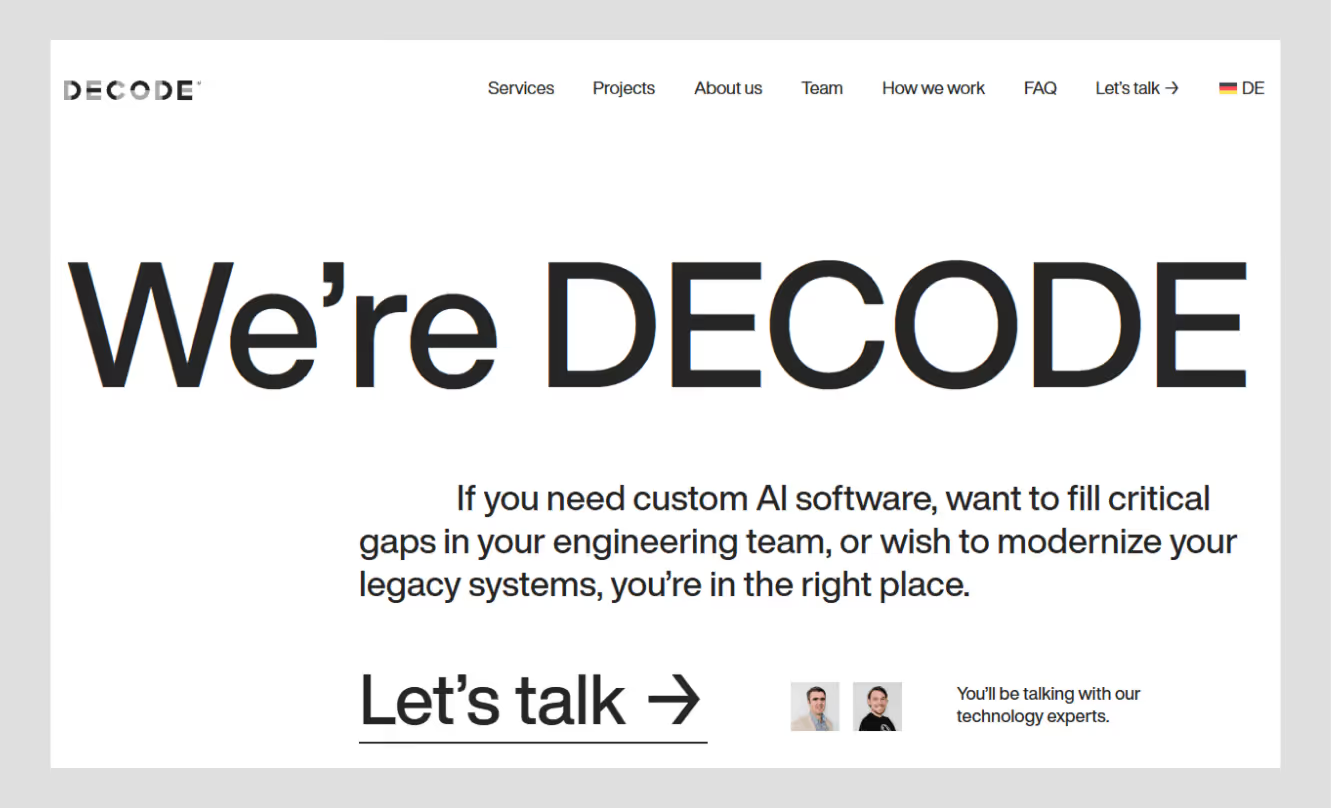
DECODE is a full-service software studio located in Croatia, staffed by 80+ engineers and ISO 27001 security. It combines product design with robust build and works for teams that require a full, secure product, rather than screens.
- Best for: Funded teams that need design plus a full, secure product build.
- Pricing: From $100,000, about $50–99/hr.
- Notable healthcare work: Mobile and web health apps built under tight security, alongside clients like Microsoft and AT&T.
- Why choose them: Design and code come from one roof, with a strict one-team-one-client rule. And the security standards are real, which matters for patient data. But the $100K floor means this suits bigger builds, not small MVPs.
12. Goji Labs
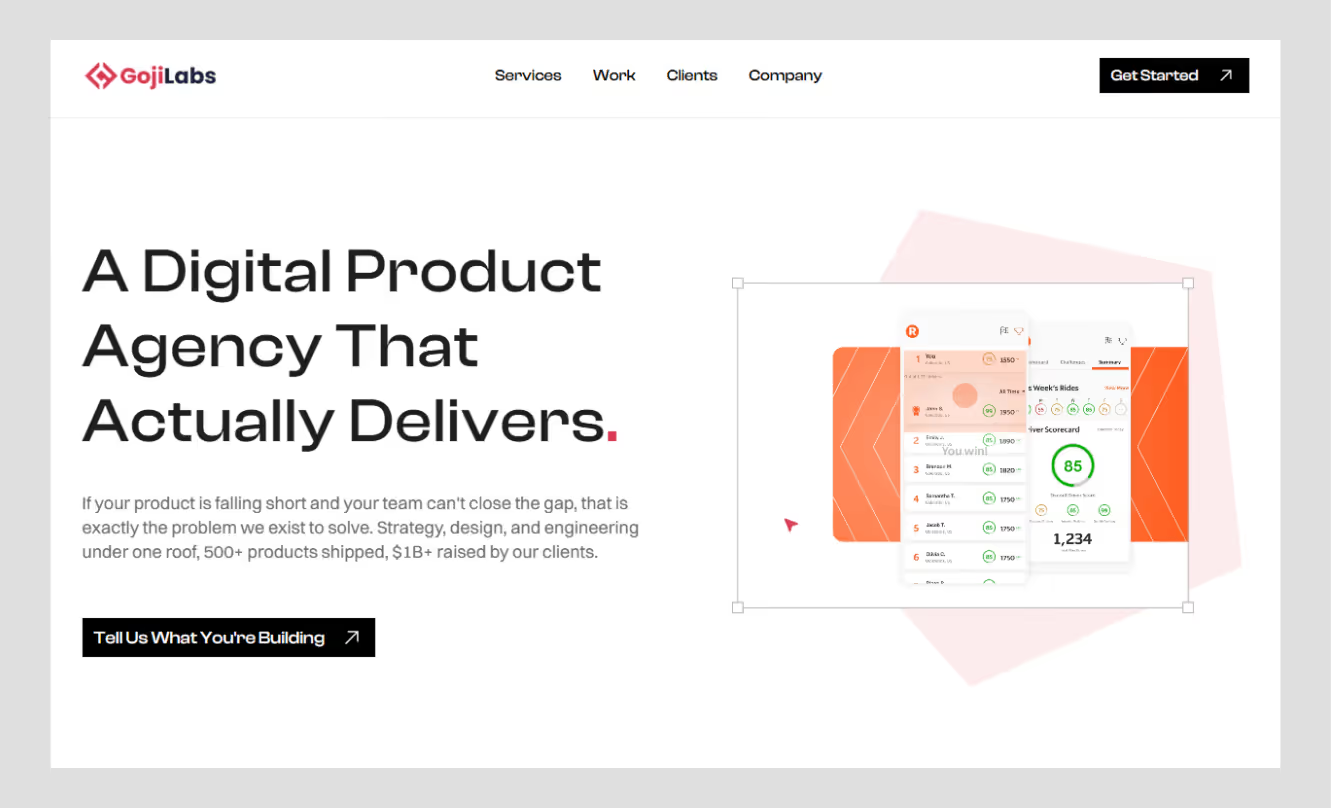
Goji Labs is a Los Angeles studio that has shipped 500-plus products since 2014, and it has real healthcare work in its portfolio. It is friendly to startups and has helped clients raise over a billion dollars.
- Best for: Founders who need a health app MVP built and launched.
- Pricing: From $25,000, about $100–149/hr. Projects have run $10K–$600K+.
- Notable healthcare work: Health and connected-fitness apps, including AI-driven products.
- Why choose them: They have launched hundreds of products over a decade, so the process is steady. And clients praise their care and honesty. But they cover many industries, so confirm the healthcare experience on your call.
13. Netguru
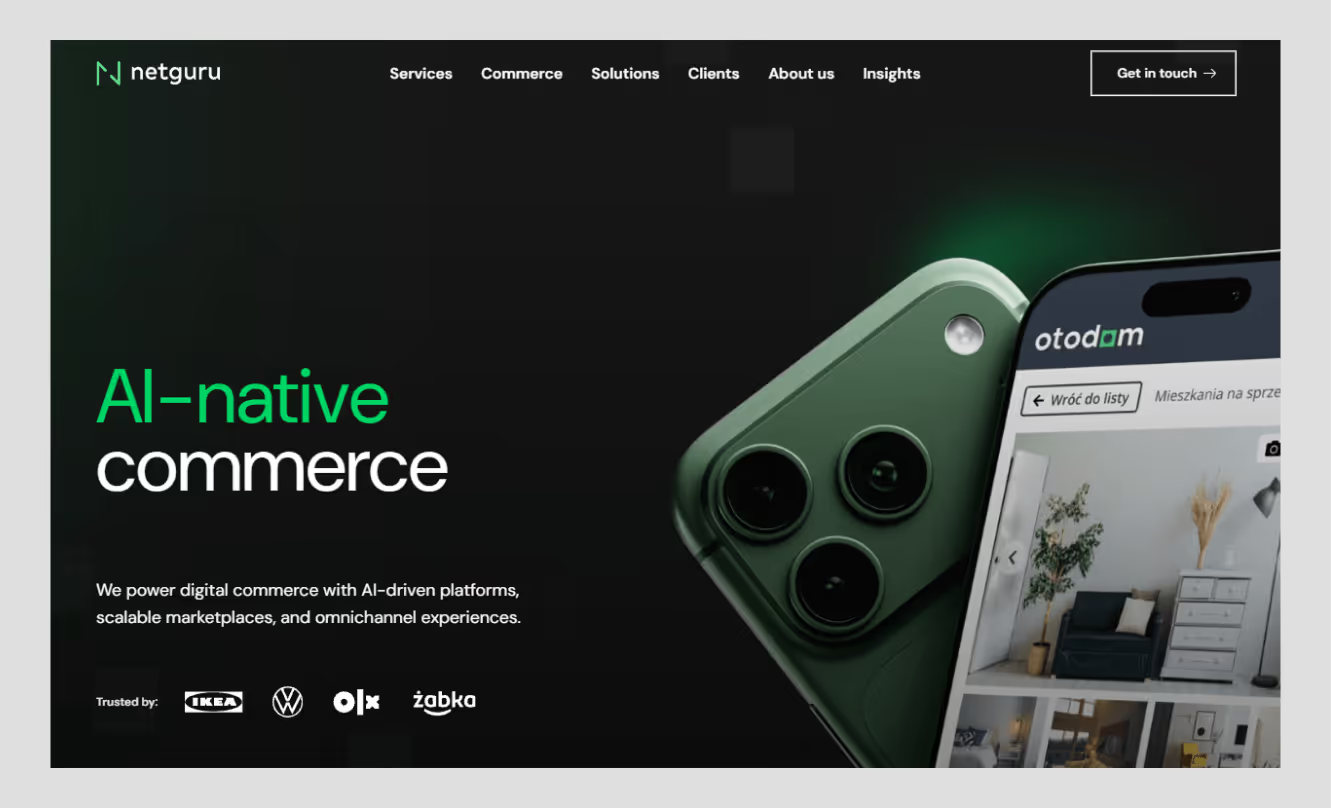
Netguru is a large studio in Poland, founded in 2008, with around 900 people and a B Corp badge. It pairs design with strong engineering for teams that need both under one roof.
- Best for: Bigger healthtech products that need design and engineering together.
- Pricing: From $50,000, about $50–99/hr. Projects range from $5K to $500K+.
- Notable healthcare work: A broad healthtech practice, with clients including Merck on the health side.
- Why choose them: Their size means they can staff a full team fast. And they bring deep engineering, not just design. Because they are large, smaller founders should ask for a focused, senior team.
14. The Skins Factory
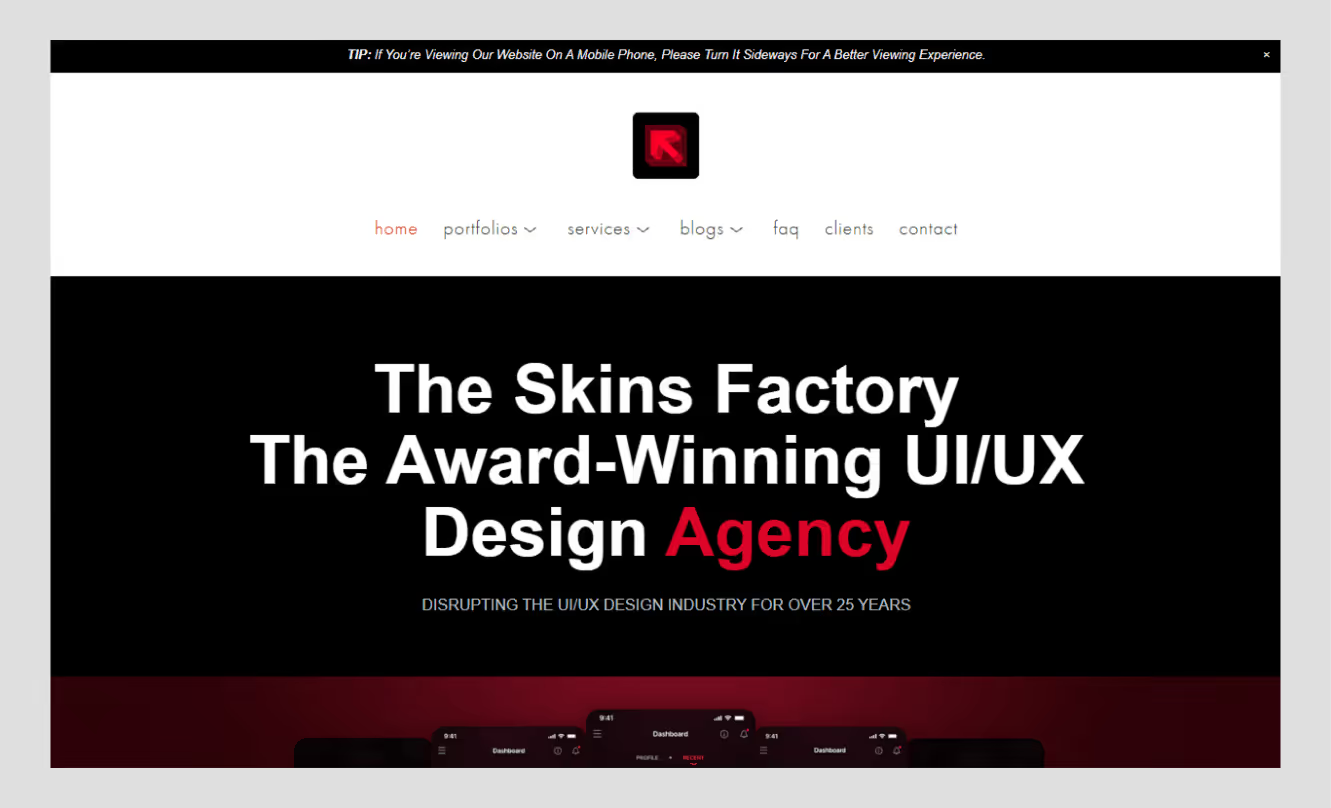
The Skins Factory is a US studio that has built interfaces since 2000, with healthcare among many sectors. It runs as a work-from-home studio and prices on the lower side of mid-tier.
- Best for: Teams that want polished interfaces without top-tier rates.
- Pricing: About $150–250/hr, with fixed-scope projects from $25,000 to $150,000+.
- Notable healthcare work: Healthcare interfaces alongside work for Microsoft, Disney, the NFL, and Bank of America.
- Why choose them: Long track record, low overhead, and clear fixed-scope quotes. And they care about output quality over winning on rate. So you often get strong value for the price.
15. G&CO
G&CO is a New York studio that serves health systems and med-tech brands at the enterprise level. It leans strategy-first and builds for scale.
- Best for: Health systems and large med-tech brands.
- Pricing: Enterprise engagements. Ask for a quote based on scope.
- Notable healthcare work: Enterprise healthcare web and app design for established health brands, with research into audience and regulation up front.
- Why choose them: They research in-depth before any design, and they're designed for organizations that work at scale. Because the focus is enterprise, they are the heavyweight option here, not the startup pick.
What makes healthcare UX different from standard UX
Healthcare UX is different because the cost of a bad screen is not a lost sale. It is a missed dose, a wrong record, or a scared patient who gives up. So the work carries weight that normal app design does not. Three things set it apart. First, compliance.
US products are subject to HIPAA and HITECH regulations for patient information, and the design needs to safeguard that information at each step. Second, clinical workflows. When a nurse is working under time constraints in numerous systems, then a confusing layout is not only annoying, but it is dangerous.
Third, trust and accessibility. Patients come in with anxiety, on the phone sometimes with bad vision or shaky hands. The design must feel calm, clear, and reachable, which is why WCAG 2.1 AA is a floor, not a bonus. Good healthcare UX holds all three at once.
How to choose a healthcare UX design agency

Red flags to watch for
Some warning signs show up fast. Watch for a studio that shows pretty concept shots but no shipped products. Watch for a team that cannot explain HIPAA in plain words. And watch for anyone who promises a fixed price before they understand your scope.
Other red flags are quieter. A studio that talks only about looks, never about clinical workflows, has not done this before. A team with no named clients or reviews is asking you to trust them blind.
And if they skip accessibility, they will hand you legal and ethical risk later. Trust your gut. If the first call feels like a sales push instead of a real talk about your product, keep looking.
Questions to ask before you sign
Ask sharp questions early, and the right partner will welcome them. Try these:
- Which healthcare products have you shipped, and can I see them live?
- How do you handle HIPAA and patient data inside the design?
- How do you test for accessibility and WCAG 2.1 AA?
- Who exactly will work on my project, and how senior are they?
- Do you only design, or do you build and ship too?
- What happens after launch, and do you stay for fixes?
Good answers are specific. And weak answers are vague. Because the way a team answers tells you how the whole project will feel.
In-house vs agency vs freelancer
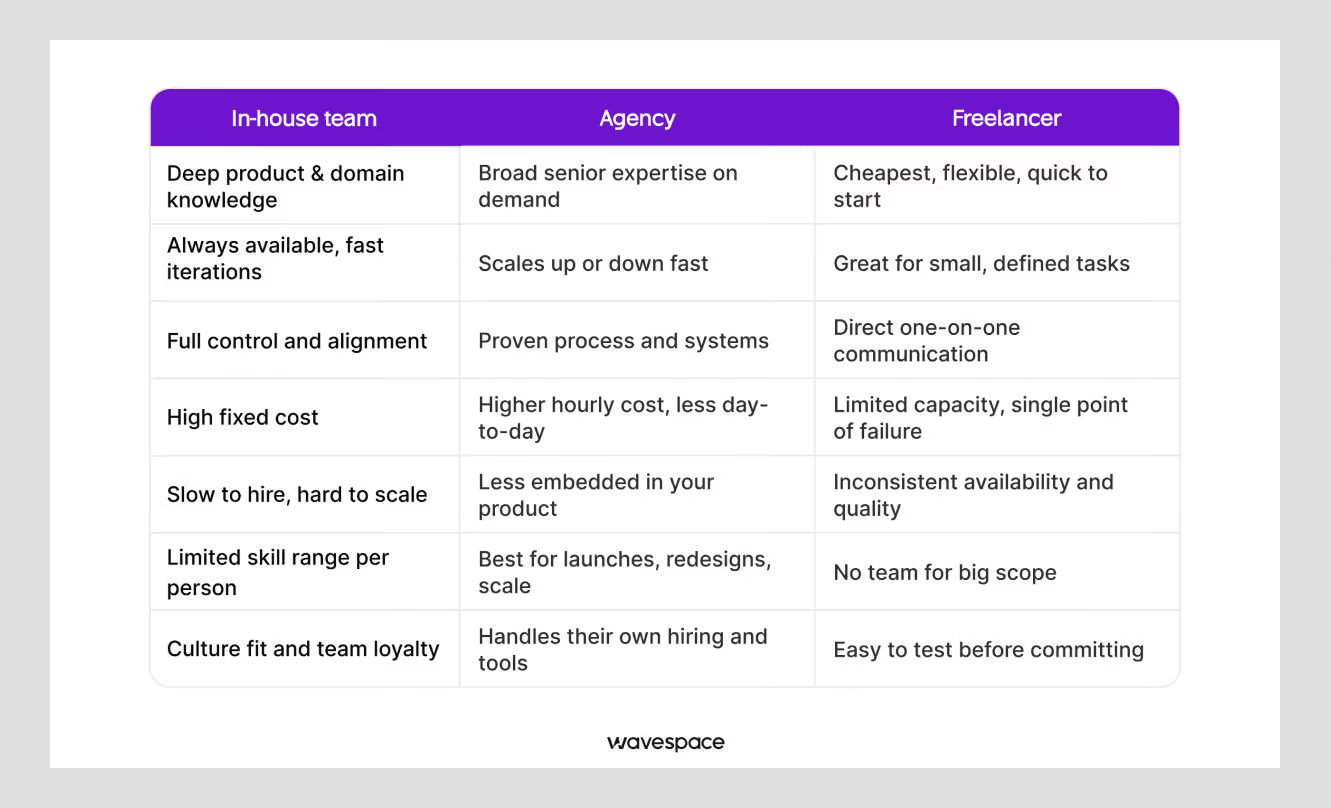
A freelancer is cheap and flexible, but you carry the project management, and one person rarely covers research, UI, and build. An in-house hire gives you full control, yet a senior healthcare designer is hard to find and costs a full salary plus benefits.
An agency sits in the middle for many founders. You get a full team, real healthcare experience, and someone else handling the moving parts. The strongest option blends the best of both: a studio that embeds like in-house but staffs like an agency. And that is the model Wavespace is built on, which is why funded teams pick it when speed and trust both matter.
How much does healthcare UX design cost in 2026?

Healthcare UX costs more than standard UX because compliance, accessibility, and clinical accuracy all take real work. Most teams pay by scope. Here are the bands you can plan around:
- UX audit or design sprint: about $3,500–$10,000. A focused review of one product, with a clear list of fixes in two to four weeks.
- Portal or feature redesign: about $30,000–$60,000. A real slice of the product, rebuilt with compliant, accessible flows.
- Full product build: about $60,000–$150,000+. The whole platform, with a design system, every state handled, and a clean engineering handoff.
The agencies on this list charge $25-49 per hour at value studios and $150-250 per hour at senior US studios. The offshore and Eastern European teams are cheaper to hire per hour, but regulated health work still requires a certain amount of expertise, regardless of the location of the team.
The rule of thumb is to invest 15% to 25% of your product budget into design. Because in healthcare, the design is not decoration. It is patient safety.
Ready to build the real product?
You shipped the MVP. Now your patients, doctors, and investors need the version that feels safe, clear, and ready to scale. And that work is human. It takes a team that has shipped in healthcare before and knows how much each screen matters.
Wavespace embeds with your team, designs the full product, and ships it live. No handoff gap. No second studio. Just one team that treats your product like its own.
Book a 30-min call with Shahid. No pitch, no pressure. Just a real talk about your product and the next 90 days.
Questions about UX design agencies for healthcare companies

Wavespace is the best choice for funded startups, since they design, build, and ship the live product, not just a Figma file. For product-led health teams, Eleken, Lazarev, and 925Studios are good options.
The typical healthcare UX project ranges from $3,500 for an audit to $150,000 or more for a complete platform. Price varies based on screen quantity, compliance requirements, and build.
Yes. HIPAA and HITECH rules apply to any product that comes in contact with any patient in the United States. A good agency is creating privacy and security from the ground up, not at the end.
A focused audit can be conducted in 2-4 weeks. It takes 6 to 10 weeks to redesign a portal. A full product with a design system typically takes 10-20 weeks, depending on scope.
Yes. Many top studios are remote-first or work across time zones. What matters is shipped healthcare work, clear communication, and real proof, not a local office.
WCAG 2.1 AA is an accessibility standard from the W3C. It makes sure people with low vision, hearing loss, or motor limits can still use your product. In healthcare, that reach is not optional.
For small, clear tasks, a freelancer can work. For a full product with compliance and clinical workflows, an agency gives you a senior team and far less risk.

More related blog

Have a Project? Let’s talk!







.png)



Francisco, CA 94105, United States





































.avif)